Solar Street Lamps: Green Lighting for Modern Life
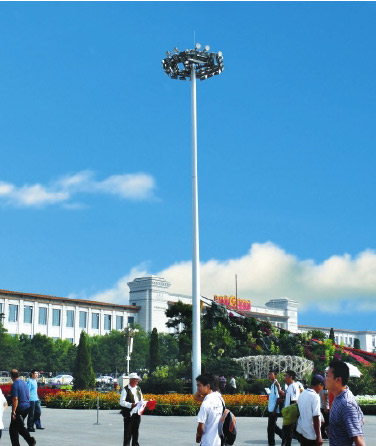
With the global pursuit of low-carbon development and environmental protection, solar street lamps have become an essential outdoor lighting facility in modern society. They are widely installed in urban roads, rural streets, parks and scenic areas. As a typical application of renewable energy technology, solar street lamps rely on solar power generation to provide stable lighting, bringing great convenience to people’s daily travel.
A complete solar street lamp consists of several basic parts, including solar panels, storage batteries, LED light sources, intelligent controllers and lamp poles. Its working principle is simple and efficient. During the daytime, the solar panels absorb sunlight and convert light energy into electrical energy, which is stored in built-in batteries. When night falls, the intelligent controller automatically turns on the lights according to ambient brightness. The stored electric energy supports the lighting work without any manual operation.
Compared with traditional street lamps, solar street lamps have obvious advantages. Firstly, they do not require complicated cable laying, which greatly reduces construction difficulty and installation costs. Secondly, powered by low voltage, these lamps are safe and stable, effectively avoiding electric leakage risks. In addition, solar street lamps consume no municipal electricity and produce no pollution. They make full use of clean solar energy to reduce carbon emissions, perfectly conforming to the concept of green energy conservation.
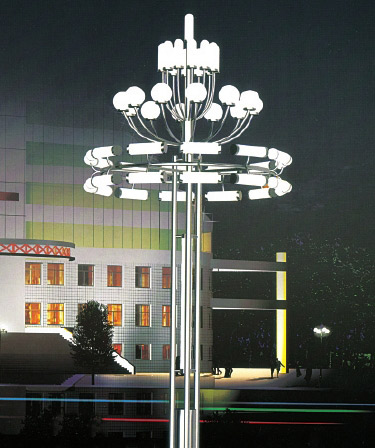
Nowadays, solar street lamps are not only simple lighting tools, but also important parts of urban landscape. They brighten public roads, ensure pedestrian safety and beautify the living environment. With continuous technological innovation, solar street lamps will become more intelligent, durable and energy-saving. In the future, this eco-friendly lighting equipment will keep serving urban and rural construction, creating a greener and more comfortable living space for human beings.