Solar Street Lights: Illuminating the Future with Green Energy
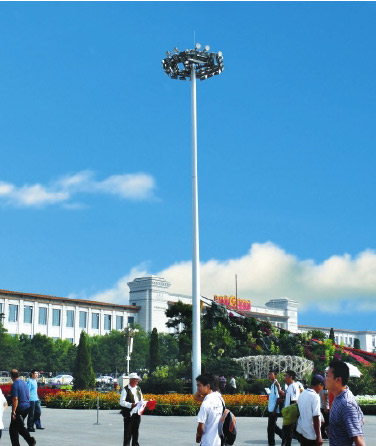
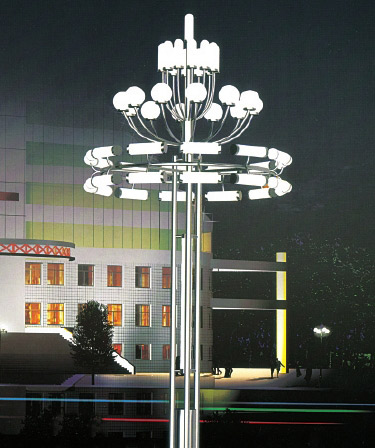
As a core carrier of new energy lighting, solar street lights are green products integrating photovoltaic technology, energy storage technology and intelligent control. Taking inexhaustible solar energy as their power source, they do not require complex cable laying. With the advantages of environmental protection, convenience and energy saving, they have gradually replaced traditional street lights, illuminating urban streets and rural paths, and becoming an important force in practicing the "dual carbon" concept and improving infrastructure.
They consist of core components such as solar panels, storage batteries, controllers and LED light sources, with a simple and efficient working principle: during the day, the solar panels absorb solar radiation and convert light energy into electrical energy, which is stored in the storage batteries; at night, the controller automatically starts lighting, realizing an independent cycle of "charging during the day and lighting at night". The whole process achieves zero carbon emissions and zero electricity consumption, reducing reliance on fossil energy from the source.
Nowadays, solar street lights have broken through technical bottlenecks and are suitable for diverse scenarios. From urban auxiliary roads and park trails to rural main roads, from remote mountainous areas to cultural and tourist scenic spots, they have solved the lighting problems in areas without power grid coverage by virtue of their convenient installation and simple maintenance. With the iteration of technology, the addition of functions such as intelligent dimming and remote monitoring allows the street lights to automatically adjust according to the ambient brightness, further improving energy-saving efficiency. Some products can also achieve continuous power supply on rainy and cloudy days, getting rid of excessive reliance on light.
As a concrete embodiment of green and low-carbon development, solar street lights not only light up the road of travel, but also carry the vision of smart city construction. They balance practicality and environmental protection, not only reducing the cost of infrastructure construction and operation and maintenance, but also adding green vitality to cities. They promote the transformation of the lighting field towards efficiency, intelligence and sustainability, illuminating a better life with clean energy and helping to achieve harmony between man and nature.