The History and Evolution of Traffic Lights
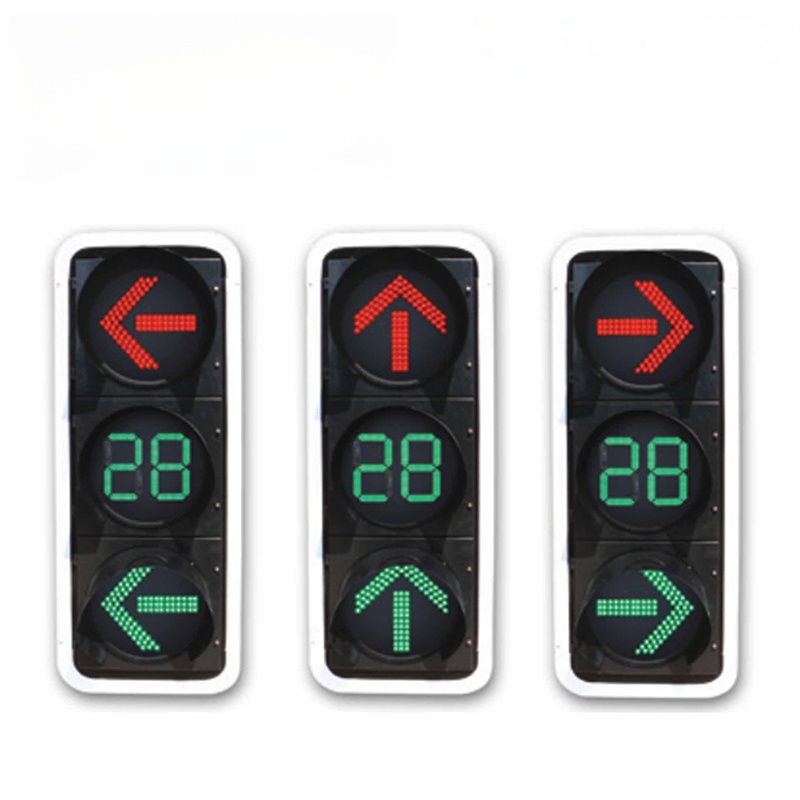
Before the invention of traffic lights, intersections were chaotic places, where horse-drawn carriages, pedestrians, and early motor vehicles competed for the right of way, often leading to accidents and confusion. The first traffic light was born out of a pressing need to bring order to these busy crossroads. In 1868, a British railway engineer named J.P. Knight designed the world’s first traffic signal, installed outside the Houses of Parliament in London. This early device was manually operated, using red and green gas lamps to signal stop and go, with a policeman controlling the switches every few minutes. Unfortunately, it was short-lived—just a month later, a gas leak caused an explosion, injuring the policeman operating it, and the device was discontinued.
It was not until the early 20th century that traffic lights made a comeback, adapted for the rising number of automobiles. In 1912, Lester Wire, a police officer in Salt Lake City, Utah, created the first electric traffic light, featuring red and green lights mounted on a pole. This design was more reliable than the gas-powered version and quickly gained popularity. A year later, in 1913, Garrett Morgan, an African American inventor, patented an improved traffic light that added a yellow light—a crucial addition that gave drivers time to slow down before the signal changed from green to red. Morgan’s design became the blueprint for modern traffic lights, as the three-color system proved to be far more effective in preventing collisions.
Over the decades, traffic lights evolved to meet the needs of growing cities and more complex traffic systems. In the 1920s, automatic traffic lights were introduced, using timers to switch signals without human intervention. By the mid-20th century, traffic lights were equipped with sensors to detect the presence of vehicles, allowing for more flexible signal timing—shortening green lights for empty roads and extending them for busy ones. Today, traffic lights are part of interconnected smart systems, linked to traffic management centers that monitor real-time traffic flow and adjust signals to reduce congestion. From gas lamps to smart sensors, the evolution of traffic lights reflects the progress of technology and our ongoing efforts to make roads safer and more efficient.